Carbonated drink filling machine range

Compare counter-pressure, isobaric and carbonated beverage filling routes.

Compare compact can filling, automatic bottle filling, capping, seaming and full-line integration for carbonated drink projects.

Selection logic

Match the filling method to the behaviour of the drink.

Carbonated products punish poor machine selection quickly. Foam, oxygen pickup, under-fills, over-fills and inconsistent closure application can all become production issues when the machine is not specified around pressure-controlled filling.

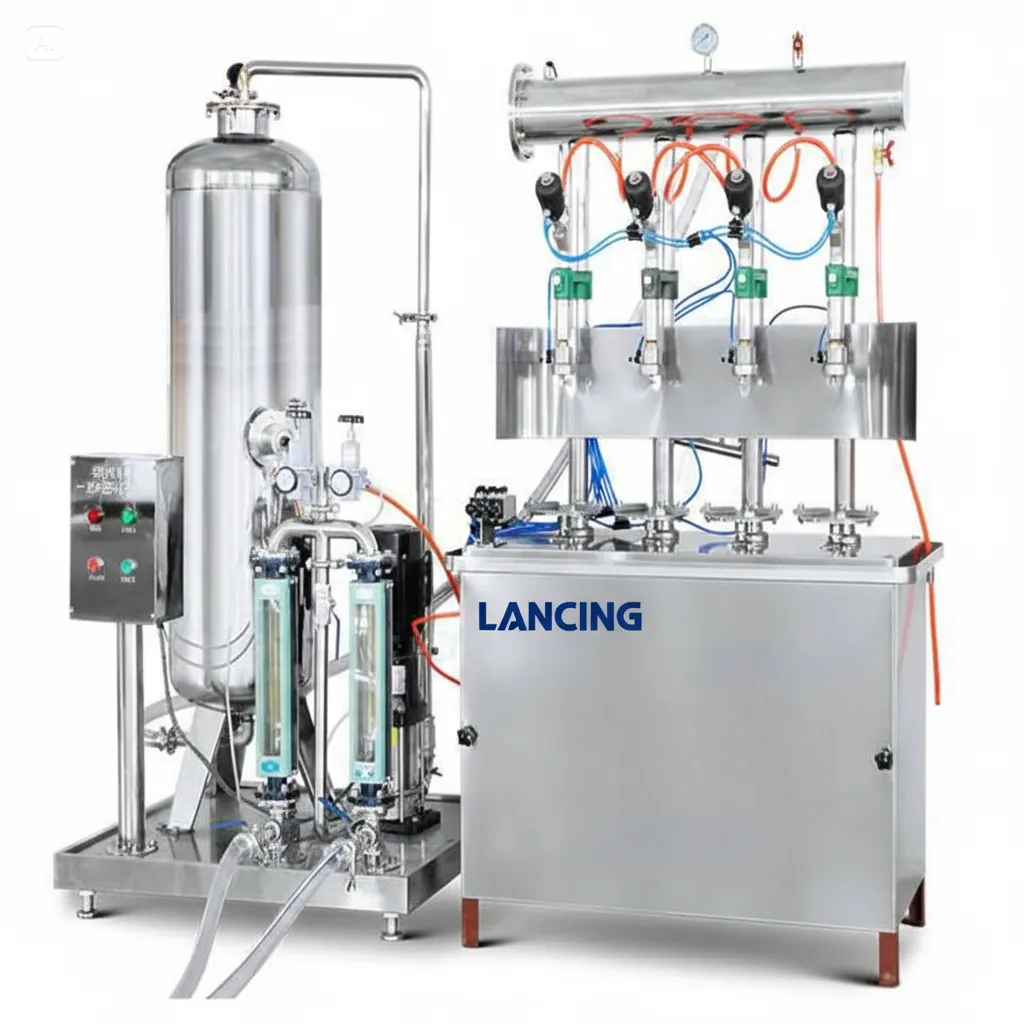
Best for trials and pilot runsCompact semi-automatic counter-pressure filling with manual loading and controlled output.
Best for small-to-mid producersMulti-head isobaric fillers with repeatable pressure controls and change parts for the main formats.
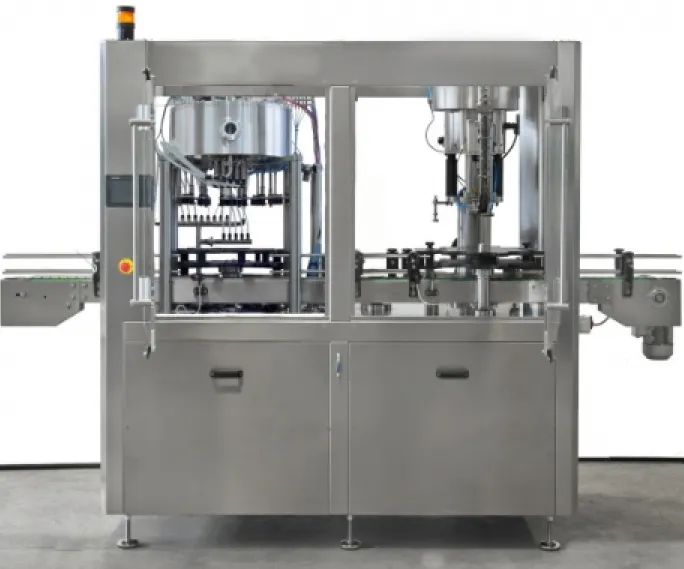
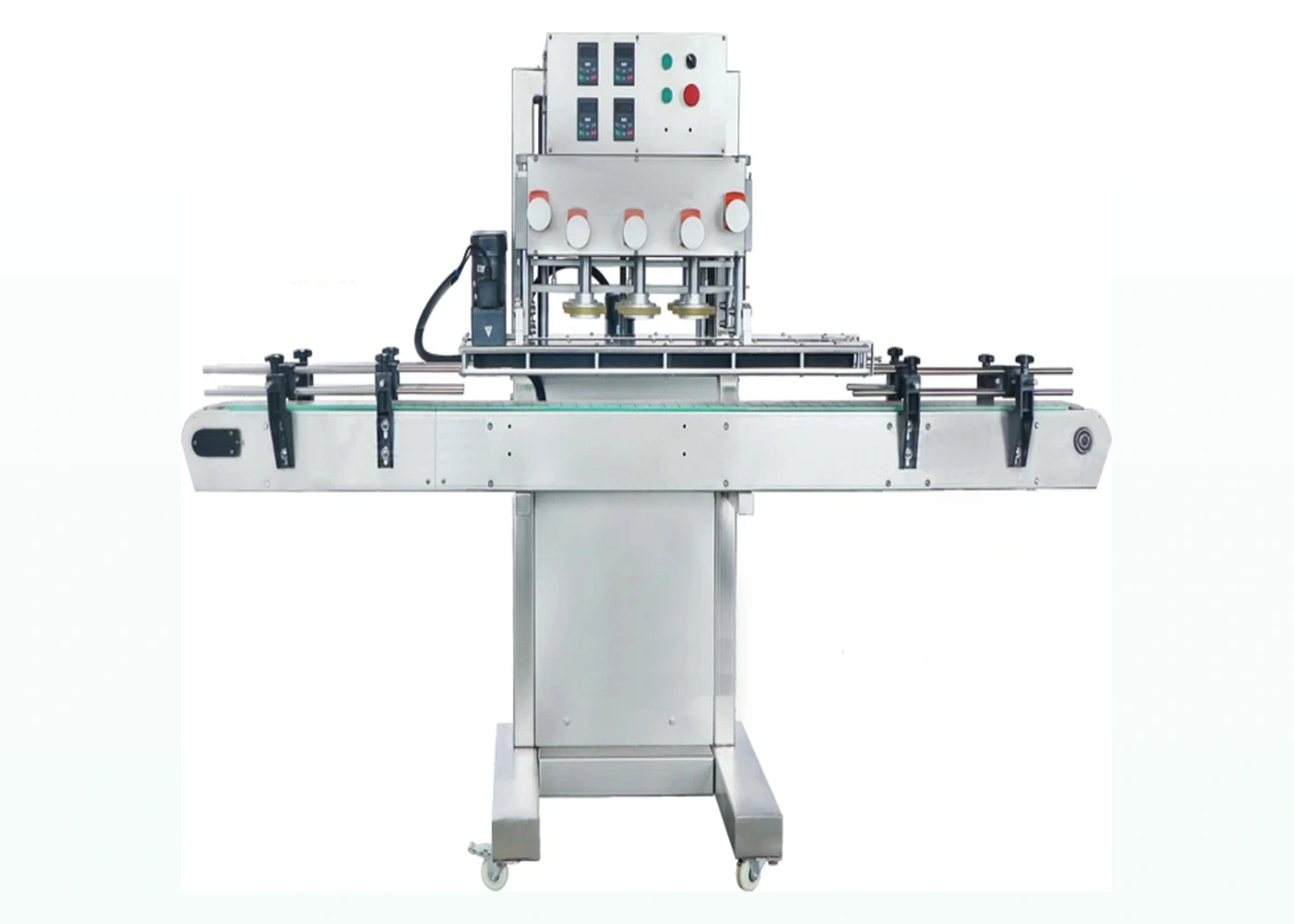
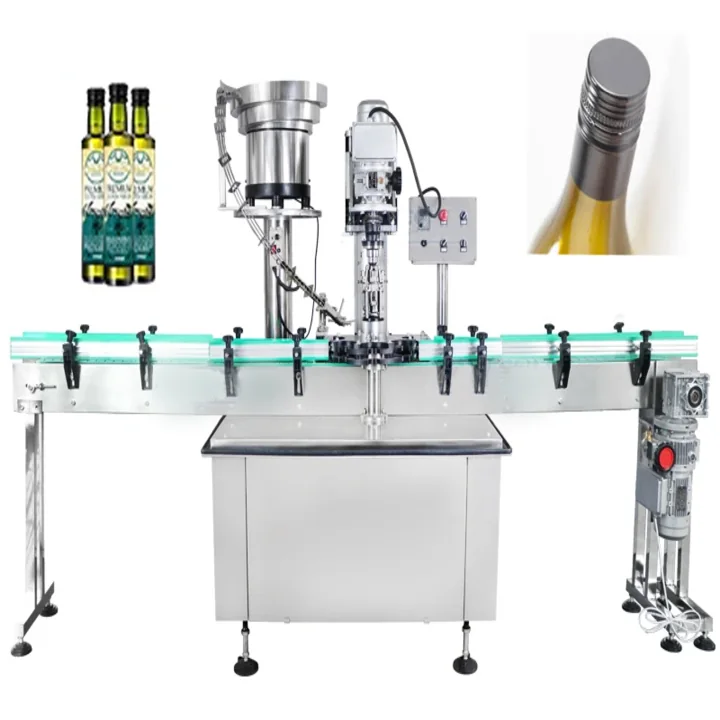
Best for production linesIntegrated rinsing, filling, capping or seaming, labelling, coding and conveyor handling.
Best enquiry formatSend product, container, closure and output together, not as separate decisions.

Start with a practical shortlist

Ask for a carbonated filling machine shortlist

Send the drink, pack size, closure and output target and we will help identify whether a compact, semi-automatic, automatic or integrated line route is most suitable.

Carbonated filler FAQs

Questions buyers ask before specifying a machine.

Should I choose a semi-automatic or automatic carbonated filler?

Choose semi-automatic if batches are smaller, changeovers are frequent or space is tight. Choose automatic when output, repeatability and integration with capping, seaming or labelling become the bottleneck.

What is the difference between isobaric and counter-pressure filling?

In day-to-day beverage machinery language, the terms are often used together. Both refer to filling while maintaining balanced pressure so carbonated drinks can be packaged with less foam and CO₂ loss.

Can bottle and can formats be handled on one factory?

Often yes, but usually with separate handling, tooling and closure or seaming requirements. A practical specification should review container samples, output targets and changeover frequency.