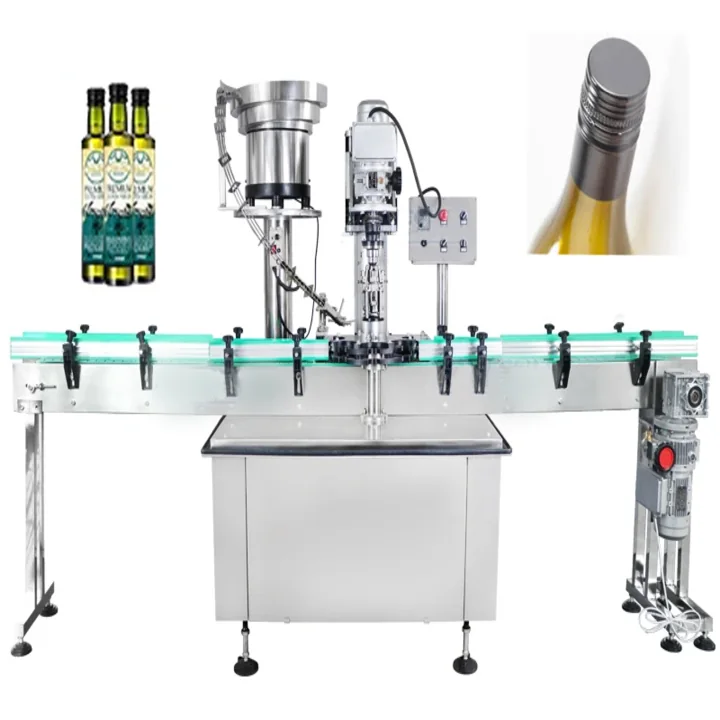
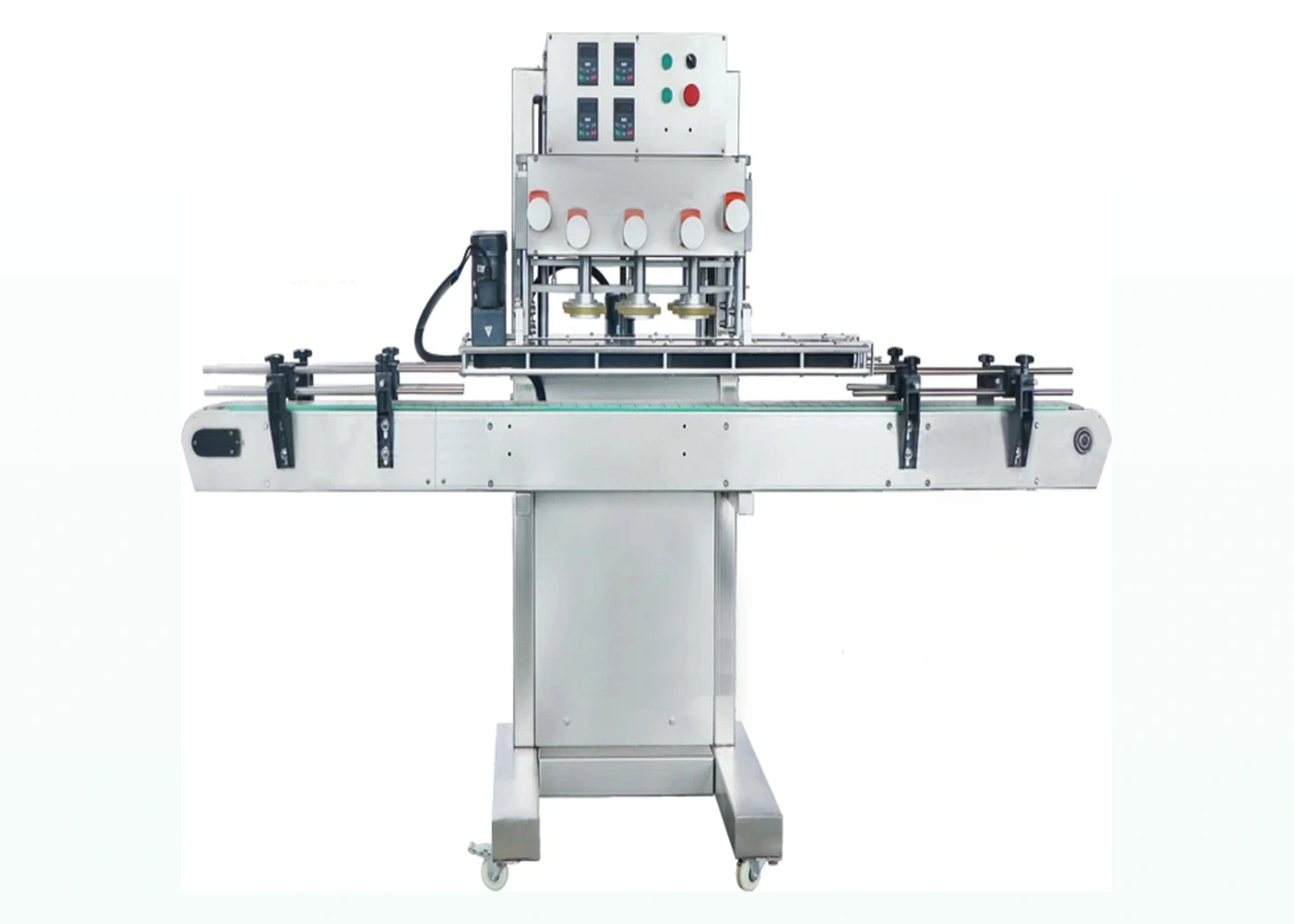
Automatic carbonated bottle fillers
Automatic Isobaric Counter Pressure Filling Machines.
Configurable constant-pressure bottle filling machinery for beer, soda drinks, sparkling water, cola, sparkling wine and other carbonated beverages.
How it works
Constant-pressure filling for carbonated beverages.
A counter-pressure bottle filler maintains CO₂ pressure during filling. The bottle is prepared under pressure, the valve opens, and the drink fills gently while gas is vented in a controlled way. The result is a cleaner fill with better foam control than a standard still-liquid filling method.
Carbonation retention
Balanced pressure helps protect fizz, texture and pour quality.
Foam control
Temperature, fill path and pressure settings are considered together.
Configurable heads
Routes can scale from simpler systems to multi-head production formats.
Line integration
Rinsing, capping and conveyors can be reviewed as part of the machine route.
Technical planning
Specify the line around the bottle, drink and closure.
| Filling method | Isobaric / counter-pressure bottle filling |
|---|---|
| Typical products | Beer, soda, cola, mineral water, sparkling wine and pressurised drinks |
| Configuration | Semi-automatic through to multi-head and monoblock formats |
| Head count | Configured to output; routes available up to 32 filling heads |
| Integration options | Rinsing, filling, capping, conveyors, labelling and downstream support |
Typical use cases
Carbonated bottle filling across beverage sectors.
Beer and cider
Pressure-controlled filling to protect carbonation and reduce fobbing.
Sparkling water
Clean, repeatable fills for still-to-sparkling product ranges.
Cola and soda
Carbonated soft drink filling where foam and closure speed matter.
Sparkling wine cocktails
Premium drinks where presentation and carbonation need to be protected.
Next steps
Continue comparing carbonated filling options.
Start with a practical shortlist
Ask for an automatic isobaric filler review
Send product samples, bottle dimensions, closure details, target output and any existing conveyor or line constraints.
Carbonated filler FAQs
Questions buyers ask before specifying a machine.
What drinks can automatic isobaric fillers handle?
Typical applications include beer, soda, cola, mineral water, light sparkling wine, sparkling drinks and other pressurised beverages.
Can automatic isobaric fillers be supplied with rinsing and capping?
Configured routes can include monoblock designs with bottle rinsing and capping, depending on the container, closure and required output.
Why are bottles usually chilled for counter-pressure filling?
Chilling the drink and controlling temperature differences helps reduce foaming while the container is pressurised and filled.
Automatic route evidence
Plan the filler, rinser and capper as one pressure-controlled bottle route.
Automatic isobaric filling is normally chosen when the project needs repeatable bottle handling, pressure-controlled transfer and a closure stage close enough to protect carbonation. First-party Lancing information describes automatic constant-pressure fillers for beer, soda drinks, cola, light sparkling wine and mineral water, with configurations from semi-automatic operation through to multi-head machines with automated bottle rinsing and capping.
For SEO and for buyers, this page should answer what must be proven rather than claiming a universal output. Output, pressure and fill quality should be confirmed from the bottle, closure, product temperature, carbonation and required changeover pattern.
Bottle compatibility
Confirm glass or PET dimensions, pressure suitability, bottle stability on conveyors and closure technical sheets.
Closure timing
Keep the route from filling to crowning, screw capping or ROPP capping as short and controlled as practical.
Cleaning and access
Confirm product-contact parts, cleaning expectations, flavour changeovers and operator access before sign-off.
For the source product page, see the Lancing Liquid Fillers automatic isobaric counter-pressure filling machine page.

