Complete carbonated drink lines

Integrated carbonated drink filling, capping, seaming and labelling lines.

Move beyond a single filler by planning the full packaging route around your beverage, container, closure and output target.

Line route

Connect the machines that decide daily line performance.

A carbonated drink line is only as reliable as the interfaces between each step. Conveyor speed, bottle or can stability, cap feed, lid transfer, label presentation and operator access all influence practical output.

  1. Infeed and handling.Depalletising, manual loading, unscrambling, rinsing or can handling depending on the project scale.
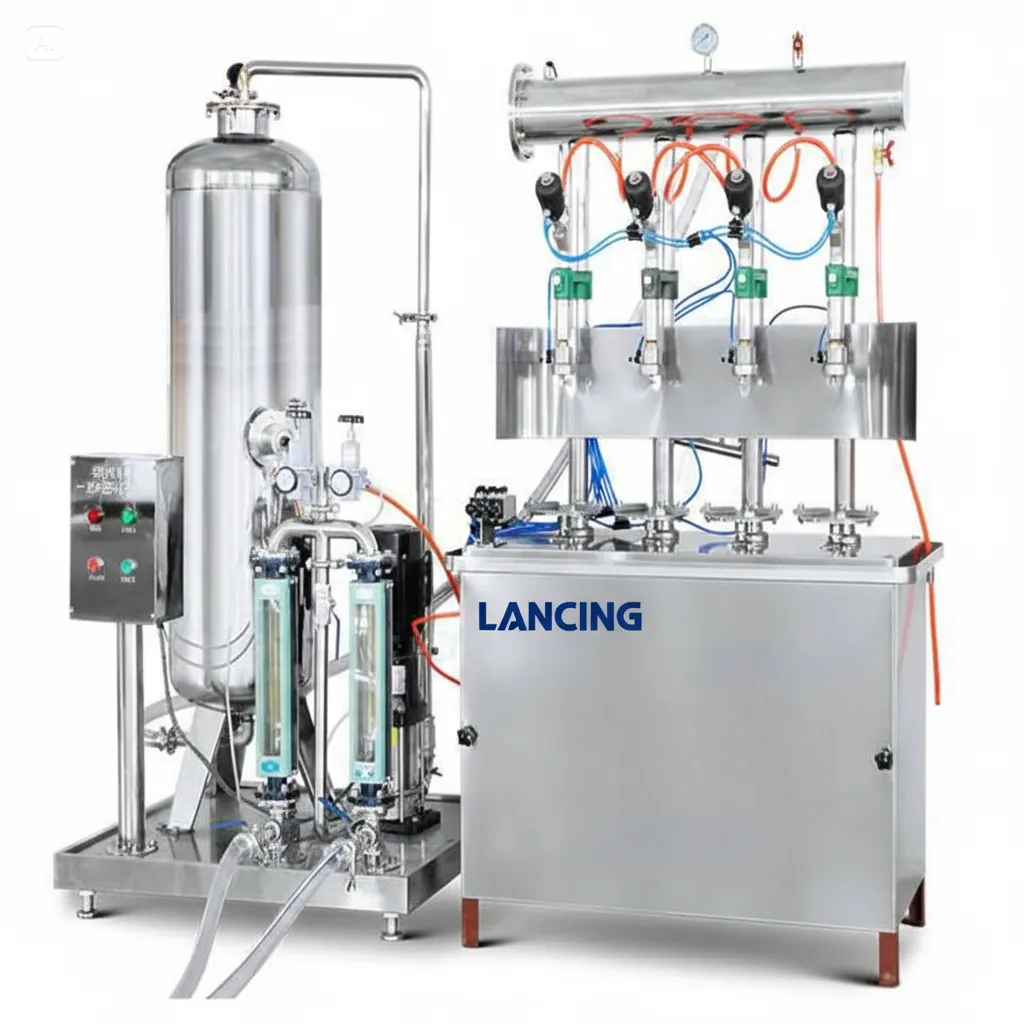
  2. Counter-pressure filling.Pressure-controlled filling selected for the drink, container and carbonation level.
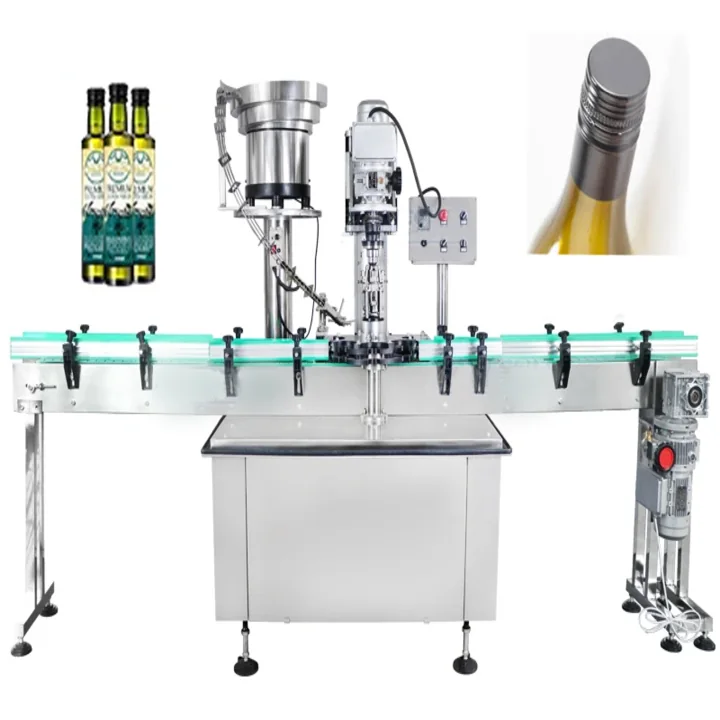
  3. Capping or seaming.Closure application matched to bottle neck, cap format or can end.
  4. Labelling, coding and packing.Finished pack presentation, date coding, reject handling and downstream packaging.

Integration options

Typical carbonated line modules.

Rinsing

Container cleaning or air rinse where required before filling.

Filling

Counter-pressure or isobaric filling matched to carbonation and format.

Capping / seaming

Closure equipment selected around cap, crown, ROPP or can end.

Labelling

Wrap-around, front/back, coding, print-and-apply or other routes.

Conveying

Accumulation, transfer, guides and sensors connecting each machine.

Coding

Date, batch and traceability marks on cans, bottles or labels.

Inspection

Reject logic and quality checks can be planned around the line layout.

End-of-line

Case packing, shrink wrapping or packing tables depending on output.

Project planning

Better line decisions come from a complete project brief.

A strong brief includes product details, container samples or dimension sheets, closure samples, line speed, changeover expectations, factory constraints, utilities and whether you need a single machine, a semi-automatic cell or a fully automatic line.

Send a line brief

Start with a practical shortlist

Plan a complete carbonated drink filling line

Send the whole project requirement, not just the filler. Include product, containers, closures, output, factory constraints and downstream packing expectations.

Carbonated filler FAQs

Questions buyers ask before specifying a machine.

What equipment can be included in a carbonated drink line?

A line can include bottle or can handling, rinsing, counter-pressure filling, capping or seaming, labelling, coding, accumulation, conveyors and end-of-line packing.

When should I plan line integration?

Plan integration before buying separate machines. Conveyor speed, cap feeding, seamer transfer, reject logic and label presentation all affect daily reliability.

Can Lancing help with installation and support?

Lancing can support installation, commissioning, spares, service contracts and wider line integration.

Line integration evidence

Build the line specification from the filler outwards.

A complete carbonated drink line should be specified around the pressure-controlled filling point and then checked stage by stage. The filler, capper or seamer, conveyors and labelling route need to handle the same bottle or can without creating foam, delays or unstable transfer.

  1. Confirm the product and package.Drink type, temperature, carbonation, bottle or can size, closure and samples set the baseline.
  2. Define the filling method.Counter-pressure or isobaric filling should match the beverage behaviour and output target.
  3. Lock the closure route.Crowning, screw capping, ROPP capping or seaming should be reviewed before conveyor layouts are finalised.
  4. Agree acceptance evidence.Use fill level, foam, closure quality, sample checks, safety checks and operator training sign-off.

For broader line automation outside carbonated filling, use the Lancing Packaging Lines route. This site should keep its ownership around fizzy drink filling, closure interface and pressure-control evidence.