Carbonated bottle filling machines

Carbonated bottle filling machinery for glass and PET drinks.

Plan counter-pressure bottle filling with the closure, label and line layout considered from the start.

Filling route

Fill behaviour, bottle handling and closure control in one line plan.

Carbonated bottle lines should be specified around how the drink behaves under pressure, how stable the bottle is during filling and how quickly the closure can be applied afterwards.

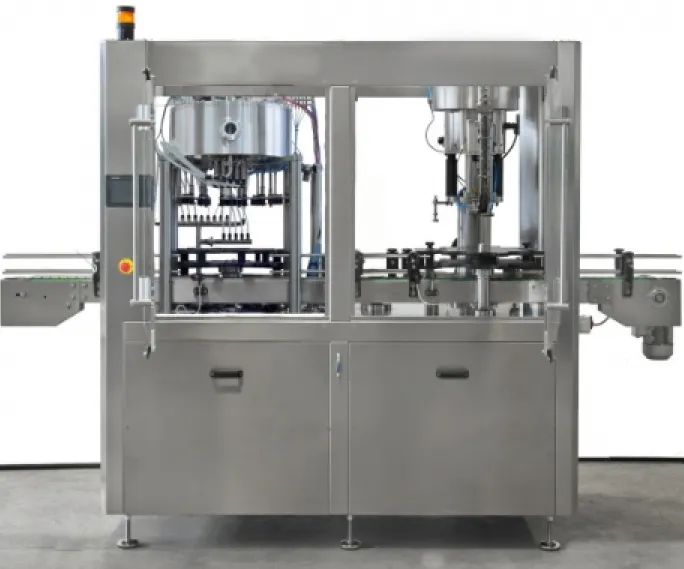
Automatic isobaric counter-pressure bottle filling machine product photo

Counter-pressure filling

Pressurises the bottle before filling to reduce foam and protect carbonation.

Bottle rinsing

Can be included where hygiene, dust removal or presentation demands it.

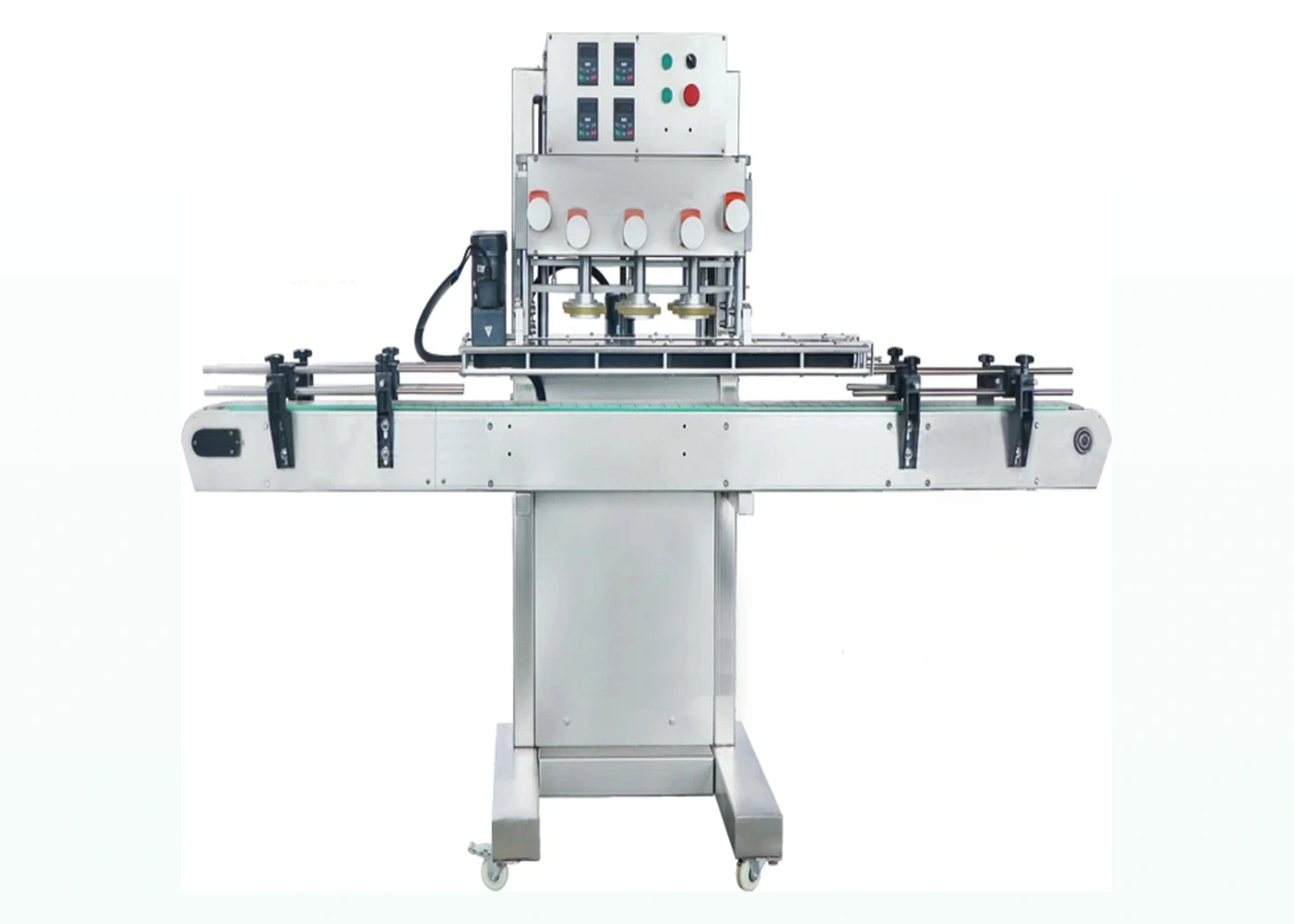
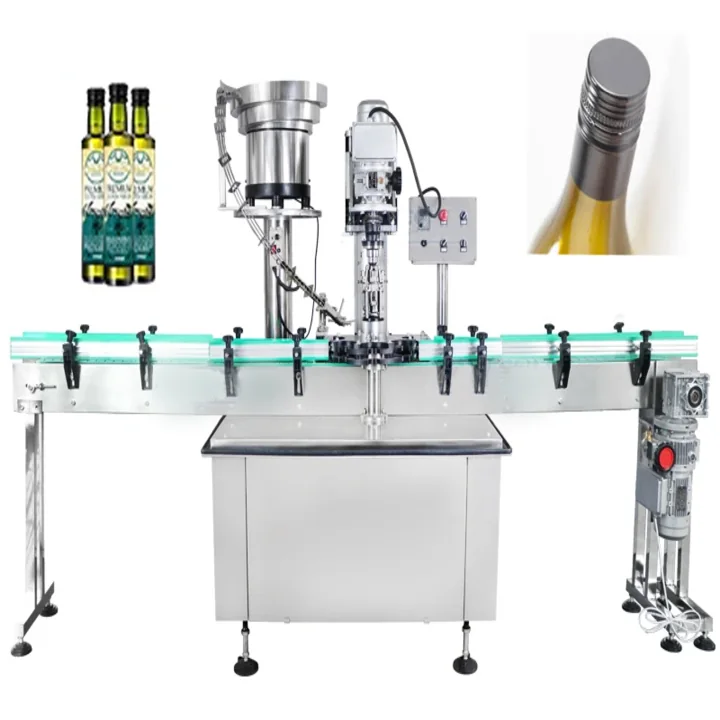
Automatic belt spindle screw capping machine product photo

Capping or closure

Closure selection should be reviewed with real bottles and cap samples.

Labelling and coding

Label position, code placement and reject logic are easier to plan early.

Closure options

Capping choices for carbonated bottles.

Crown capCommon for beer and some glass-bottle carbonated drinks, normally requiring dedicated closure equipment.
Screw capRelevant where a threaded closure, repeatable torque and bottle stability can be confirmed.
ROPP closureRoll-on pilfer-proof aluminium closures can suit beverage and premium glass-bottle applications.
Specialist closuresConfirm pressure, tamper evidence, liner performance and presentation requirements with samples.

Start with a practical shortlist

Plan a carbonated bottle filling project

Send bottle samples or dimension sheets, closure details, product information and required output so the filler and capper can be reviewed together.

Carbonated filler FAQs

Questions buyers ask before specifying a machine.

Can carbonated drinks be filled into glass and PET bottles?

Yes, but the bottle material, neck finish, base stability, pressure rating and closure route must be checked before the machine specification is agreed.

Which closure should I choose for carbonated bottles?

The closure depends on the bottle and market. Crown caps, screw caps and ROPP closures may all be relevant, but torque, tamper evidence and carbonation retention should be reviewed with samples.

Should filling, capping and labelling be specified together?

Yes. Carbonated bottle lines perform best when the bottle, filling method, closure and label presentation are planned as a single route.