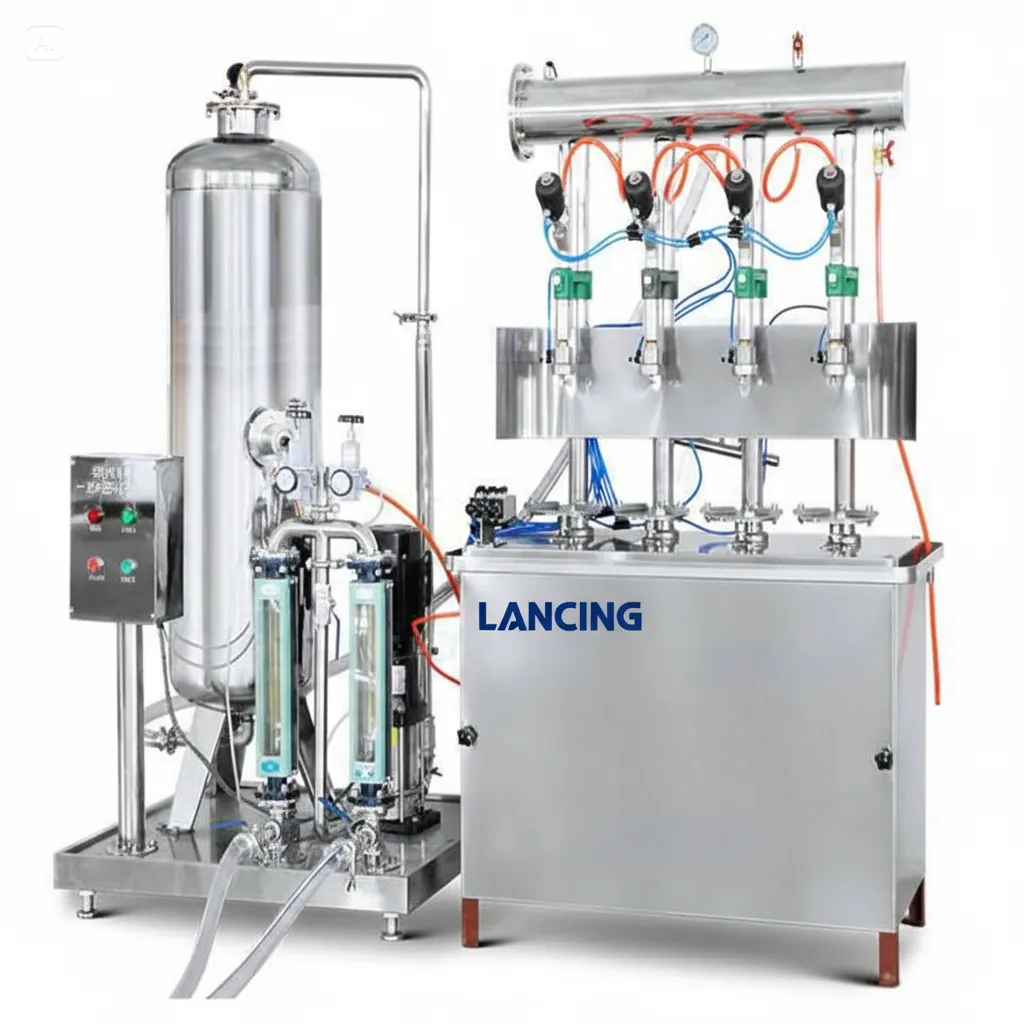
Carbonated drink capping and closure control

Capping for carbonated drinks, bottles and complete beverage lines.

Match the closure to the filled pack: screw caps, ROPP closures, crown-cap routes, can seaming and integrated line handling.

Closure routes

Closure control must match pressure, presentation and output.

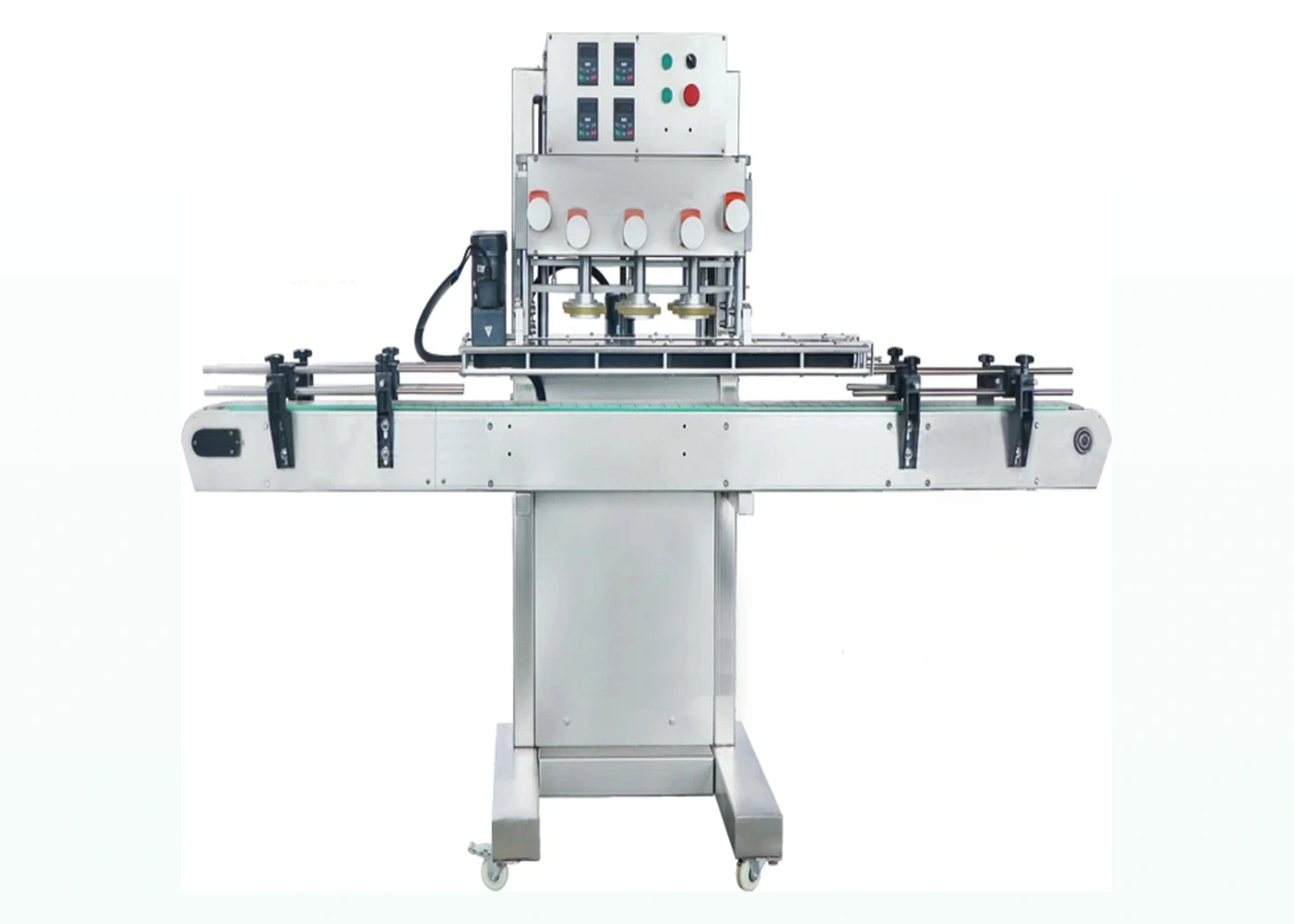
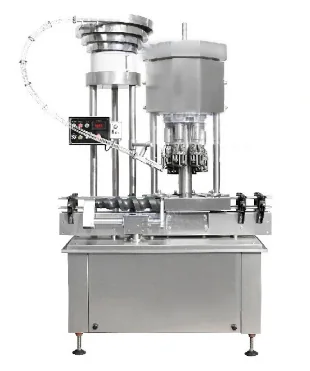
Automatic belt spindle screw capping machine product photo

Screw capping

For compatible threaded caps where repeatable torque and bottle stability can be controlled.

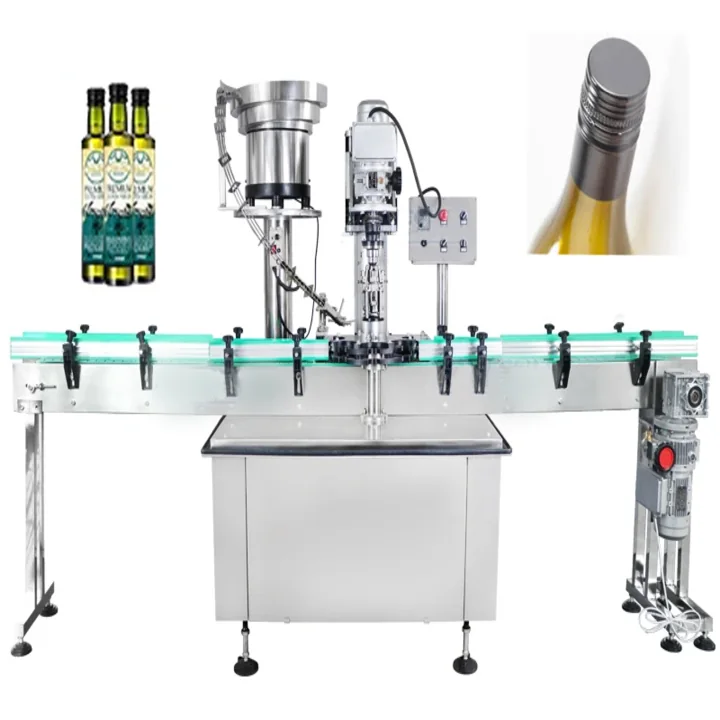
Automatic ROPP capping machine product photo

ROPP capping

Roll-on pilfer-proof aluminium closures for premium bottles and beverage applications.

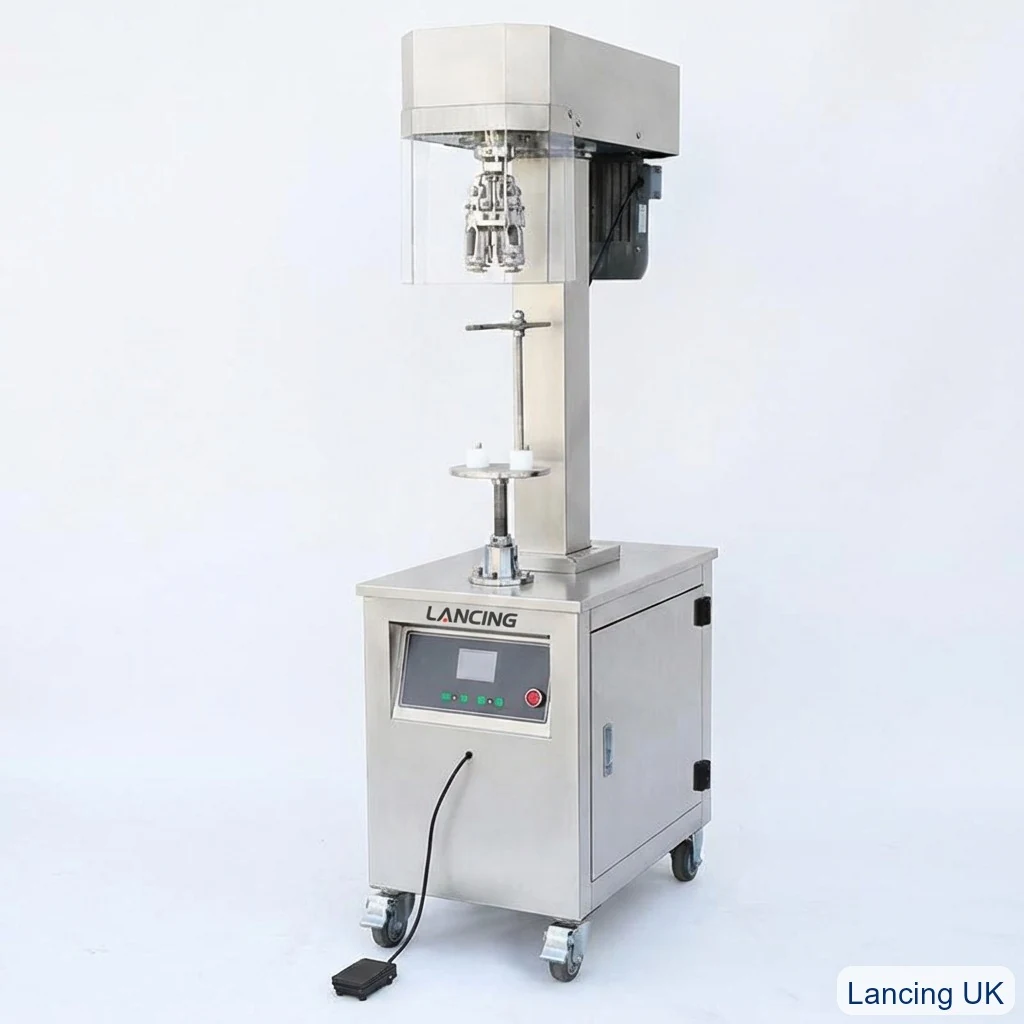
Semi-automatic ROPP cap sealing machine product photo

Semi-automatic ROPP capping

Operator-fed ROPP cap sealing for short runs and aluminium closures on suitable glass bottles.

Can seaming

For aluminium cans, specify the seamer and filler together using real can-end and lid details.

What to test

Use real bottles, cans and closures before committing.

Photos help at early enquiry stage, but samples show how the closure starts, tightens, seals and behaves after filling. For carbonated drinks, this is especially important because internal pressure, liner performance and handling stability affect production reliability.

  • Closure photos, dimensions and supplier technical sheets
  • Empty and filled bottle samples where available
  • Can end/lid details and seamer status for can lines
  • Torque, tamper-band or sealing requirements
  • Existing filler, conveyor or labeller details

Start with a practical shortlist

Ask for capping and closure advice

Send closure samples, bottle details, output target and any existing filling or conveyor equipment so the correct capper route can be reviewed.

Carbonated filler FAQs

Questions buyers ask before specifying a machine.

Which capping machine is best for carbonated drinks?

It depends on the closure. The shortlist normally starts with the closure type, then checks bottle stability, torque or sealing force, cap feeding and integration with the filler.

Are ROPP cappers used for beverage bottles?

Yes. ROPP cappers form the thread and tamper band on aluminium closures and are used across beverage, oils, wine, spirits and premium glass-bottle applications.

Can the capper be connected to a carbonated filler?

Yes. Filling, capping and labelling can be planned as an integrated route where conveyor handling, speed, cap feed and reject logic are reviewed together.

Filler-to-closure interface

Plan capping around pressure, closure timing and container control.

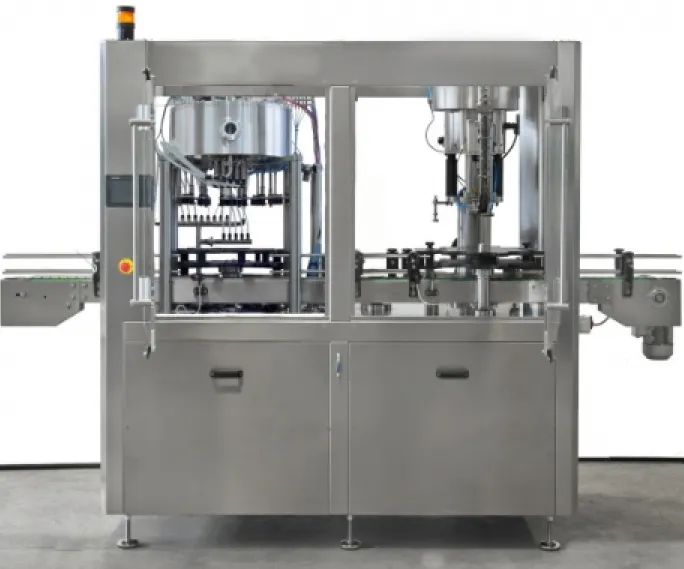
For carbonated bottles, the capper is not only a downstream accessory. The way the filled container exits the filler, transfers to the closure stage and receives the cap or crown affects foaming, fill height and package presentation.

Screw caps

Check cap material, liner, neck finish, required torque and whether the bottle remains stable after pressure filling.

Crown closures

For beer and cider bottles, confirm crown dimensions, bottle finish and whether oxygen-sensitive acceptance checks are required.

ROPP closures

For premium glass bottle projects, match the cap, thread formation, bottle finish and filled-bottle handling route.

Interface riskDelays, unstable containers or unsuitable closure torque can affect foam, carbonation retention and pack presentation.
Pressure safetyConfirm package pressure suitability, guards, operator access and safe release procedures with the final machine specification.
Related domainFor the wider capping range, use Capping Machines UK. This page stays focused on carbonated drink line integration.

For a project review, send product, pack, closure, temperature, carbonation and target output details through the carbonated filler enquiry form.