Carbonated filling machinery UK
Carbonated fillers for beer, soda, sparkling water and RTDs.
Specify the right counter-pressure or isobaric filling route for carbonated drinks in bottles and cans, from compact semi-automatic production to integrated filling, capping, seaming and labelling lines.
Machine options
Compare filling and closure equipment for carbonated drinks.
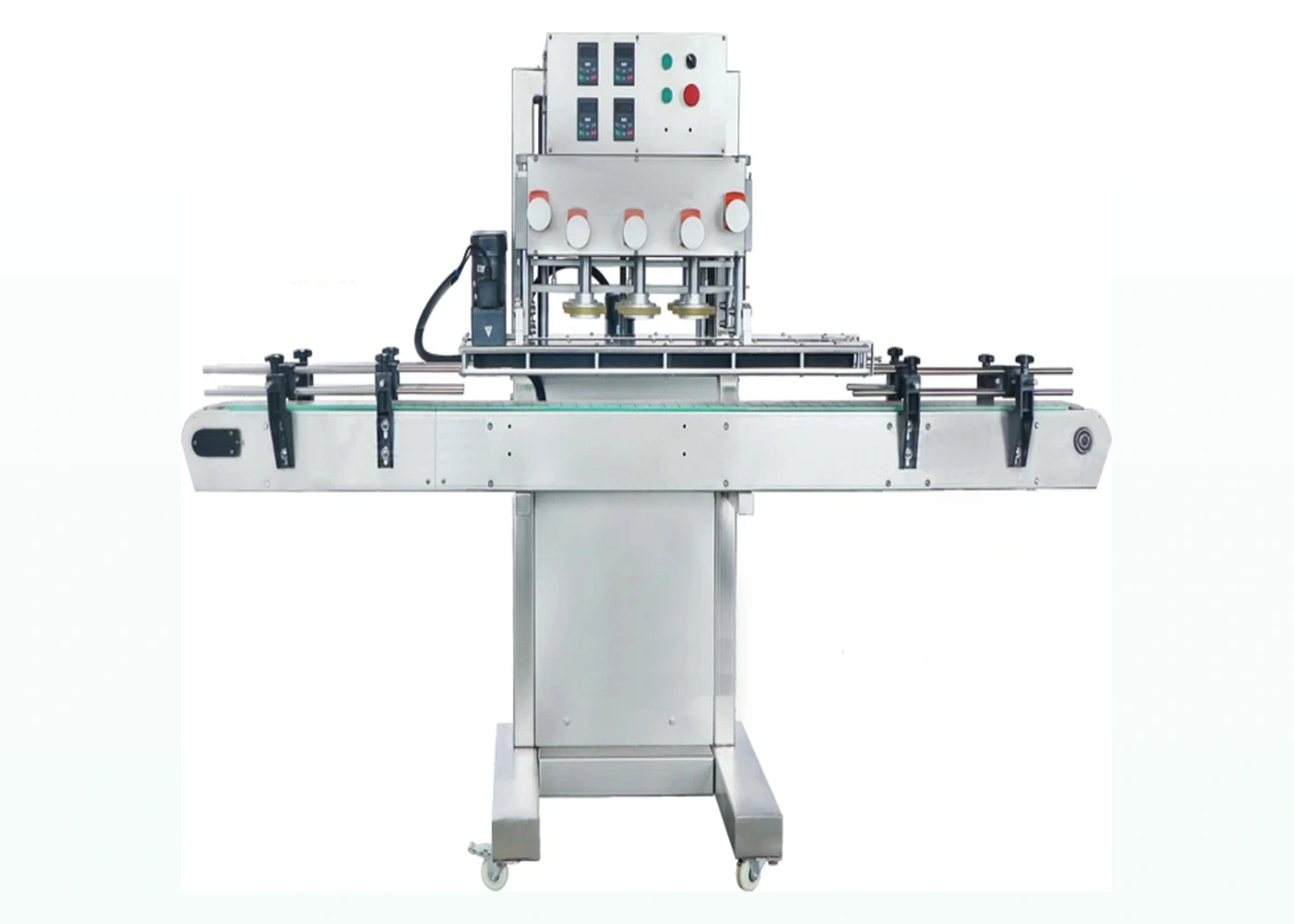
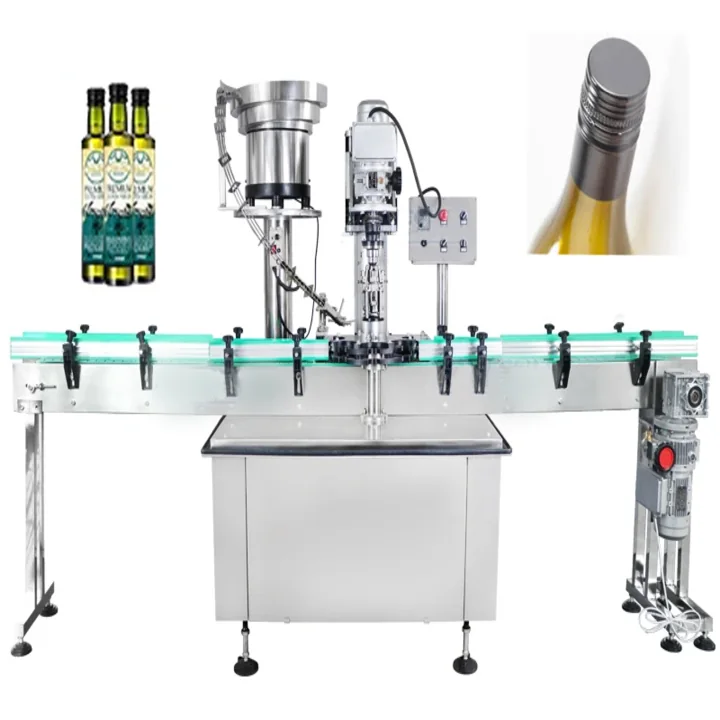
Review practical routes for carbonated drinks, including compact counter-pressure can filling, automatic isobaric filling and beverage closure equipment.


Machine routes
Built around pressure-controlled beverage filling.
Share your product, container and output requirements so the recommendation is based on your production needs and carbonated-drink process.
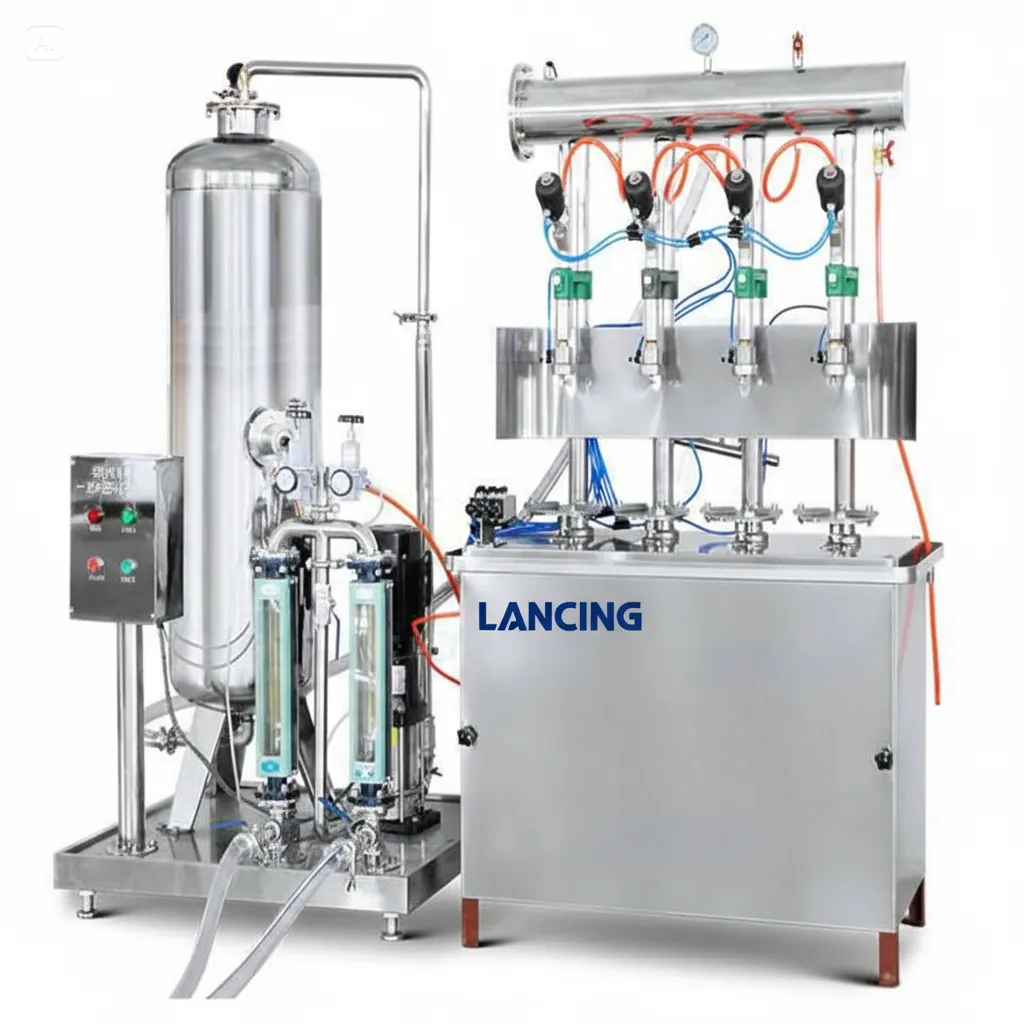
Four-head counter-pressure filling with mixing and CO₂ controls for small-to-mid scale cans.
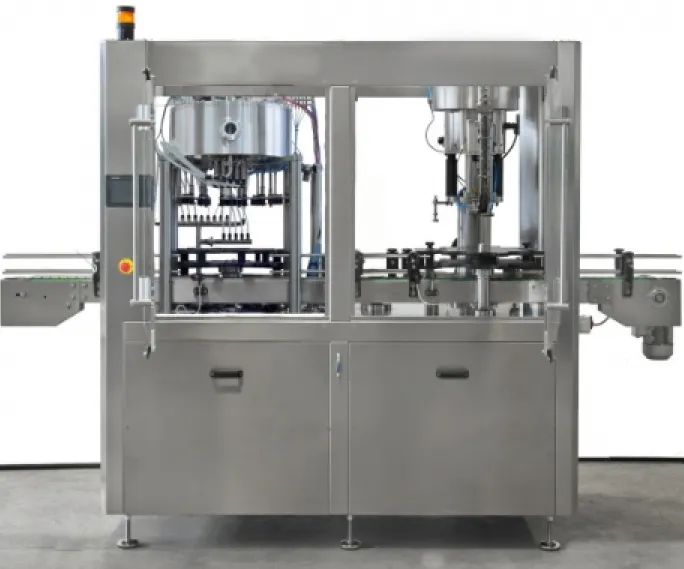
Automatic productionAutomatic isobaric bottle fillersConfigurable constant-pressure fillers for beer, soda, sparkling wine, mineral water and similar drinks.
Bottle projectsCarbonated bottle filling machineryGlass or PET bottle routes with rinsing, filling, capping and labelling planned as one line.
Can projectsCarbonated can filling machineryCounter-pressure can filling routes for sparkling water, soda, beer, cider and RTD products.
Useful project routes
Choose the route that matches your carbonated drink project.
Use these sections to compare carbonated filling machines, counter-pressure fillers, isobaric fillers, bottle filling, can filling, capping and complete lines.
Start with the main machine options for carbonated beverages.
GuideCounter-pressure vs gravity fillingUnderstand the difference before selecting machinery.
Line integrationComplete carbonated drink linesPlan projects that need filling, capping, labelling and conveyors.
Process-first explanation
Why counter-pressure matters for fizzy products.
With a carbonated drink, the filling head must manage pressure rather than simply deliver liquid volume. The container is pressurised, the drink is transferred under controlled pressure, and the closure is applied quickly to protect carbonation and presentation.
- Chill the product and container route.Lower product temperature helps reduce foaming during transfer.
- Purge or pressurise with CO₂.The container is prepared before the valve opens.
- Fill under balanced pressure.The liquid enters gently so CO₂ is retained and foam is controlled.
- Cap or seam without delay.The closure stage protects the filled drink and supports shelf presentation.
Start with a practical shortlist
Send your carbonated drink filling requirement
Tell us the product, container, closure, target output and whether the project is a single machine or complete line. We will help you choose the right route before you commit to a specification.
Carbonated filler FAQs
Questions buyers ask before specifying a machine.
What type of filler is used for carbonated drinks?
Carbonated drinks normally need counter-pressure or isobaric filling so the bottle or can is pressurised before filling. This helps control foam and retain CO₂ compared with simple gravity or pump filling.
Can the same project include filling and capping?
Yes. Carbonated drink projects are often planned as a route that includes filling, capping or seaming, conveyors, rinsing, labelling, coding and support around changeovers.
What details are needed for a useful quote?
Send the drink type, carbonation level if known, container size, bottle or can format, closure, target output, available utilities and whether you need a standalone filler or a complete line.
Technical evidence for better specification
Specify the filler around pressure, temperature and the closure route.
Carbonated filling projects rank and convert best when the page answers the practical questions buyers ask before they request a quote. For the machine itself, the same evidence also reduces the risk of choosing a filler that looks suitable but cannot control foam, maintain carbonation or transfer containers cleanly into capping or seaming.
Lancing normally needs the drink type, target carbonation in volumes of CO₂ if known, product temperature at filling, container size, bottle or can material, closure specification and the target output. Where the product is beer, cider or a low-oxygen beverage, dissolved oxygen and total packaged oxygen expectations should be treated as measured acceptance criteria rather than broad marketing claims.
- Confirm product temperature at the filler, not only at the tank or chiller.
- State carbonation level or target sensory profile so pressure and foam risk can be reviewed.
- Confirm whether the project needs bottle filling and crowning, screw capping or ROPP capping, or can filling and seaming.
- Agree practical evidence such as filled-sample appearance, fill-level consistency, foam behaviour and closure quality.
Plan fill level, foam, carbonation, DO/TPO and closure checks before acceptance.
SpecificationCarbonated filler checklistGather product, package, closure and utility details for a faster quotation.
AcceptanceCommissioning checklistAgree FAT, SAT and sample-trial evidence before the installation date.
For a project review, send product, pack, closure, temperature, carbonation and target output details through the carbonated filler enquiry form.